
Preparing for UK Travel
Packing for the UK is mostly about layers, rain and comfortable shoes. The weather can change within a single day, and the same season can feel very different in London, the south coast and the Scottish Highlands. This guide helps you pack for the season and the places you plan to visit, rather than a single forecast.
Airline baggage rules, medicine rules and entry requirements are not the same for every traveller, so this guide points you to the right checks rather than giving a single answer for everyone.
UK Weather and Regional Differences
The Met Office describes the UK as well known for weather variability, which changes from day to day, season to season, year to year and place to place. The east and south of England generally have drier, warmer, sunnier and less windy conditions than the west and north, and those conditions usually occur more often in spring and summer than in autumn and winter.
Scotland, Wales and Northern Ireland have their own regional patterns, and mountain and coastal areas can be much wetter or windier than cities. Because of this, a single seasonal rule cannot predict your exact weather. Check the forecast for the region you visit in the days before you travel, and pack for the range of conditions rather than one expected day.
Packing by Season
Spring
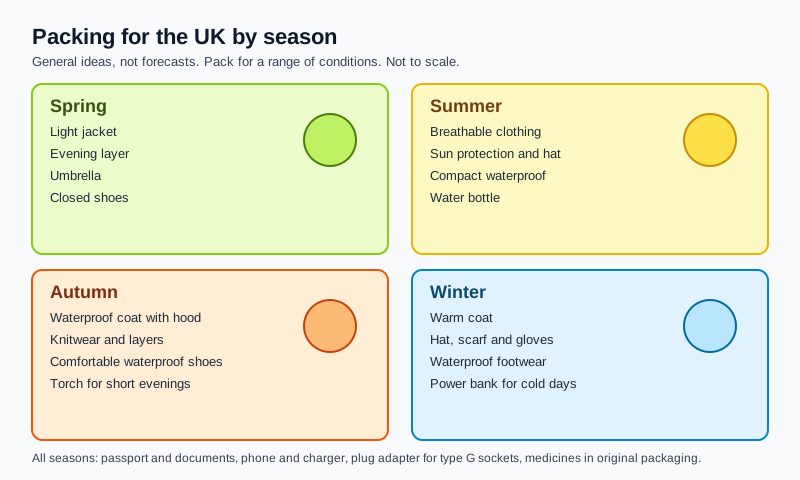
Spring is often calm and dry in parts of the country, but it can bring chilly nights and changeable days. Pack a light jacket, a warm layer for evenings and an umbrella. Shoes that handle damp pavements are useful.
Summer
Summer is usually the warmest and sunniest season, but rain can be heavy and sudden. Bring light, breathable clothing, a layer for cooler evenings, sun protection and a compact waterproof. Air-conditioning is not universal, so a hat and water bottle help on long days in cities.
Autumn
Autumn tends to be stormier, with wind and rain. Pack a waterproof coat, knitwear and layers that work indoors and outdoors. Late autumn days are short, so you may need a torch or a lightweight layer for early evening walks.
Winter
Winter is the coldest season, with short days and often damp, windy weather. Most winters see the storminess of autumn continue, while others are colder and calmer. Pack a warm coat, a hat, gloves, a scarf and waterproof footwear. Places in the south and near the coast are often milder than inland areas in the north.
| Season | Typical conditions | What to pack | Main notes |
|---|---|---|---|
| Spring | Often calm and dry in places; chilly nights and changeable days | Light jacket, evening layer, umbrella, closed shoes | Check the forecast for the region you visit |
| Summer | Usually the warmest and sunniest; heavy rain can come quickly | Light breathable clothes, sun protection, compact waterproof, evening layer | Pack a waterproof even on sunny days |
| Autumn | Often stormier, with wind and rain; shorter days | Waterproof coat, knitwear, layers, comfortable shoes | Carry a torch or reflective item for early evening walks |
| Winter | Coldest season; short days; often damp and windy | Warm coat, hat, gloves, scarf, waterproof footwear | Coastal and southern areas are often milder than inland areas |
Essential Clothing and Footwear
Layers are more useful than one heavy item. Indoor spaces, such as museums, shops and trains, can be much warmer than the street, and you will often walk a lot. Choose clothing that you can add or remove easily.
- Two or three base layers that can be combined for warmth.
- A light jumper or fleece for cool evenings and heated indoor spaces.
- A waterproof jacket with a hood, which matters more than an umbrella on windy days.
- Comfortable, water-resistant walking shoes, broken in before the trip.
- A pair of shoes that you can wear for a smarter evening out, if your plans need one.
- Warm socks and, in winter, gloves, a hat and a scarf.
Rain Protection
Rain can arrive at any time of year. A compact umbrella is useful for short walks, but a waterproof jacket with a hood is more practical in wind. Consider a small waterproof cover for your daypack and a dry bag for electronics on boat trips or wet days.
Travel Adapters and UK Plug Types
The UK uses type G plugs, which have three rectangular pins in a triangular layout. Standard UK sockets are rated for a maximum of 13 A. Most mains supply in the UK is nominally 230 V at 50 Hz, so many modern chargers marked 100 to 240 V need only a plug adapter.
Check the label on each device before you travel. A plug adapter changes the shape of the plug, but it does not change the voltage. Single-voltage appliances, such as some hair tools and heaters, may need a suitable converter or should be left at home. Some hotels lend adapters at reception, but do not rely on this at every type of accommodation.
Phone Connectivity
Check with your mobile provider about roaming before you travel, including data limits and charges. Download offline maps for London and any other destinations, and keep a paper copy of important addresses and contact numbers. A power bank helps on long days out, especially in cold weather, when phone batteries drain faster.
Travel Documents and Your Passport
Keep your passport, entry documents and booking confirmations together in one place, and carry copies in a separate place. Check the passport validity rules for your nationality and your travel plans before you book, because these are not the same for every traveller.
UK ETA or Visa Considerations
Whether you need a UK ETA or a visa depends on your nationality and circumstances, not on what you pack. Check the UK ETA requirements guide before you book flights, and confirm your documents with the official sources for your situation. Do not assume that a rule for one country applies to another.
If you are eligible and need an ETA, you can start your application here: Start your UK ETA application.
Medication and Travel Essentials
Take any prescribed medicine in its original packaging, with a copy of the prescription if you have one. Rules on bringing medicines into the UK depend on the type of medicine and your circumstances, so check the official guidance before you travel rather than relying on a general rule. Pack a basic first-aid kit, any personal toiletries you need and an adequate supply of any regular medicine for the whole trip, plus a small reserve.
Carry-On Versus Checked Luggage
Carry-on and checked baggage rules depend on your airline, your fare and the route. Weight limits, size limits and the number of items allowed can all differ, so check your airline’s baggage policy before you pack. This guide does not give airline allowances.
Keep essentials in your carry-on: your passport and documents, medicines, a change of clothes, chargers and any valuables. If your checked luggage is delayed, you will have what you need for the first day.
Carry-on essentials checklist
- Passport and entry documents, with copies stored separately.
- Phone, charger and a power bank.
- Medicines in their original packaging.
- One change of clothes and underwear.
- Travel adapter, plus any spare batteries your airline allows.
- Reading material or offline entertainment for the journey.
Packing for London Sightseeing
London is a city for walking. Many visitors cover several kilometres a day, often on uneven pavements and underground stations with steps. Pack comfortable shoes that you have already worn, a daypack, a refillable water bottle and a waterproof layer. Our London 3-day itinerary shows how the main sights group together, which helps you decide how much to carry each day.
Packing for Scotland and the Countryside
Scotland and the countryside can be windier, wetter and colder than London, especially in the hills and along the coast. Pack waterproofs that cover your legs and a warm mid-layer. Walking outdoors needs sturdy footwear, and open areas can be exposed to wind even in summer.
Family Travel Essentials
Families need more space in their luggage, so plan carefully. Pack spare clothes for children, sun cream or warm layers depending on the season, a small first-aid kit, and any comfort items. If you are travelling with a pushchair, check the station access on your route before you travel.
What Not to Overpack
Overpacking is the most common mistake. Shops sell most basics in the UK, and some accommodation offers laundry facilities. Avoid packing several heavy coats when one warm, waterproof layer and a few light layers would do. Leave space in your bag for purchases.
Packing Checklists
Clothing checklist
- Base layers, a jumper or fleece, and a waterproof jacket with a hood.
- Walking shoes that are comfortable and water-resistant.
- Light clothing for summer and warm layers for winter.
- Warm socks, and gloves, a hat and a scarf in cold months.
- Clothing suitable for any indoor dress code you expect to meet.
Travel-document checklist
- Passport, with its validity checked against your nationality and plans.
- UK ETA or visa, if your nationality and circumstances require one.
- Booking confirmations for your flights, accommodation and onward travel.
- Travel insurance details, if you have a policy.
- Copies of key documents, stored separately from the originals.
Frequently Asked Questions
What is the best season to pack light for the UK?
Spring and summer are usually milder, but rain can still arrive quickly, so a waterproof is useful at any time. Check the forecast for the regions you visit.
Do I need a plug adapter for the UK?
Visitors from countries whose sockets are not type G usually need a plug adapter. Check your device labels, because chargers marked 100 to 240 V usually need only the adapter.
Can I rely on the weather being the same across the UK?
No. The Met Office describes UK weather as variable from day to day and from place to place, so pack for a range of conditions.